Featured Clients
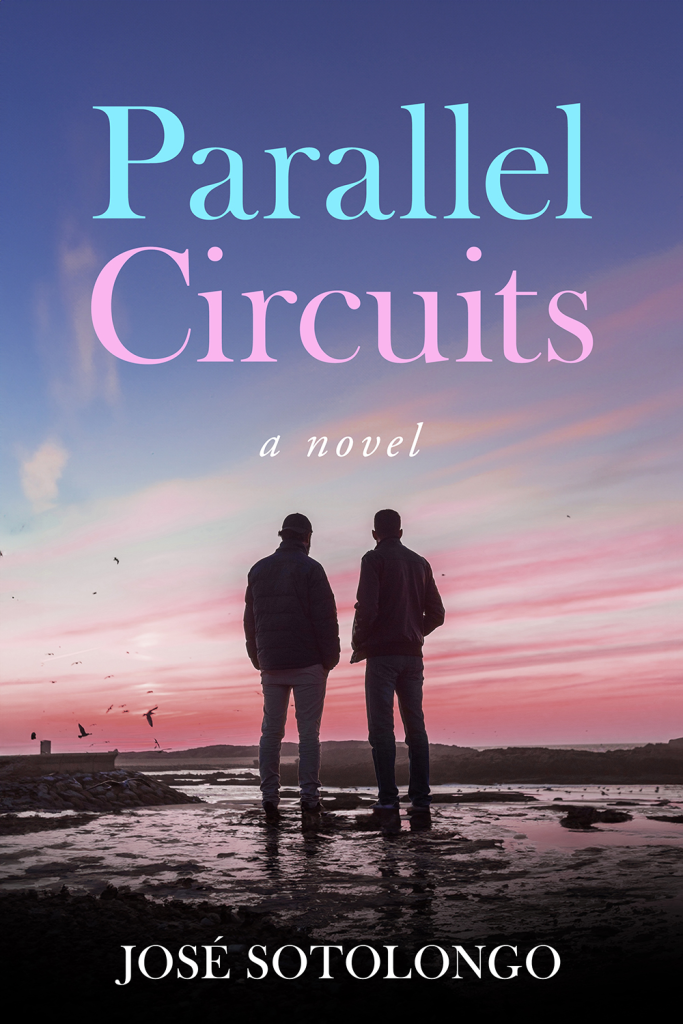
Parallel Circuits by José Sotolongo
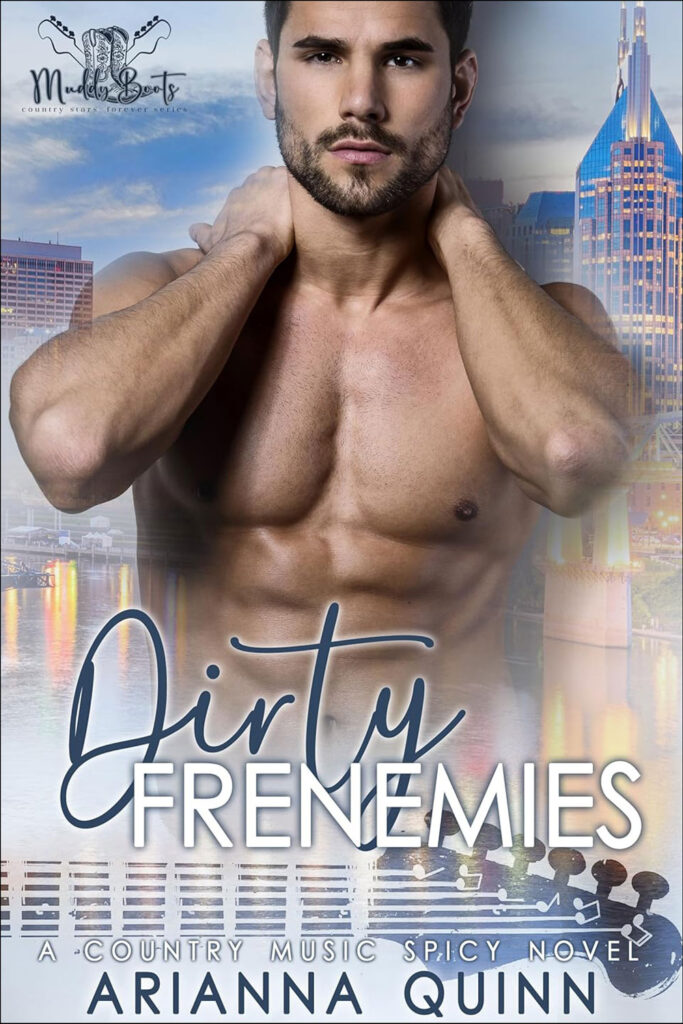
Dirty Frenemies
by Arianna Quinn
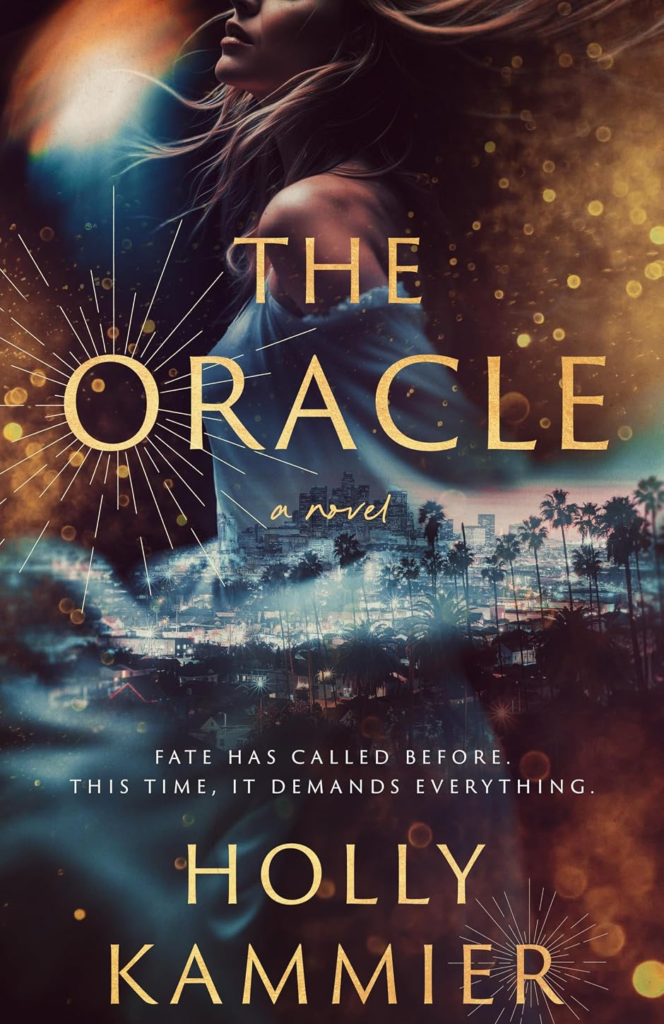
The Oracle by Holly Kammier
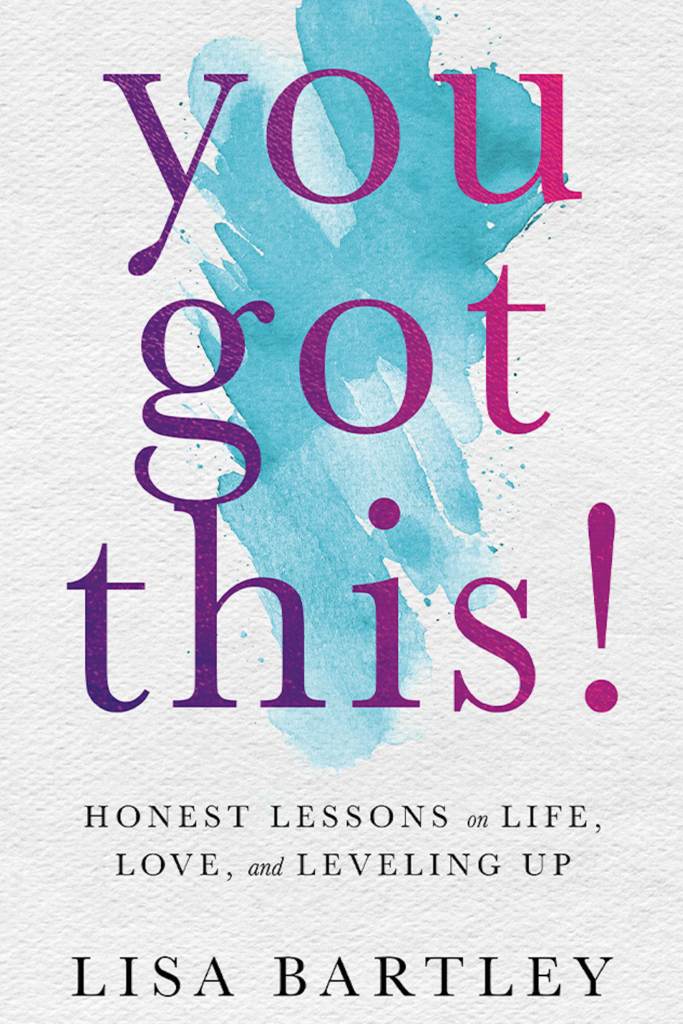
You got this!
by lisa bartley
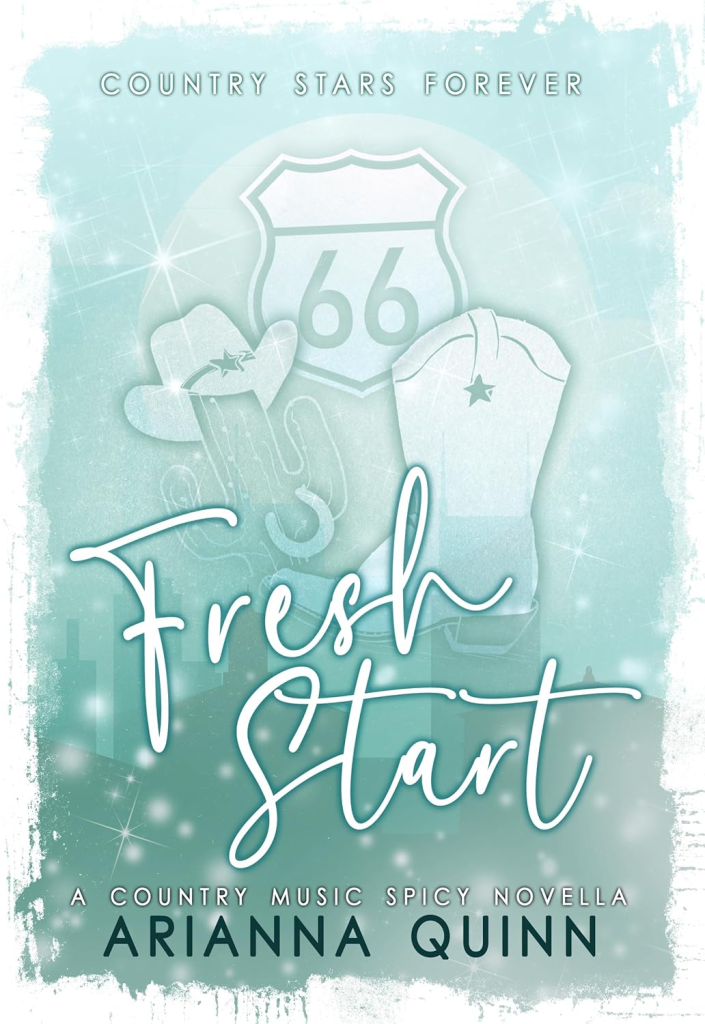
Fresh start
by Arianna Quinn
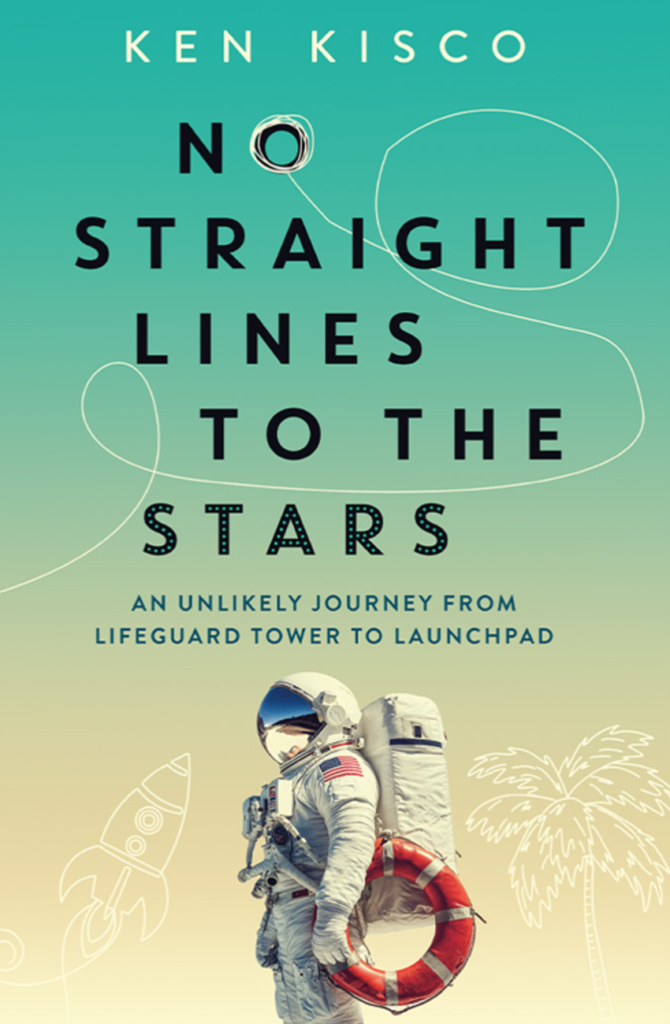
No Straight Line to the Stars by Ken Kisco

The Genres I Edit
The fiction genres I work on are as varied as the books on my shelves: literary fiction, commercial fiction, upmarket fiction, romance (open- and closed-door), mystery, thriller, and urban fantasy.
For nonfiction, I work on what I enjoy reading: memoir and self-help.
My Process
If you’re an independent author, my top priority is your comfort and trust. Every project begins with a discovery call and a sample edit.
Discovery calls allow us to briefly get to know each other and discuss your specific needs. Sample edits allow both of us a glimpse into what working together would look like.
Ready to share your story with the world?
You did it! You wrote the book. That’s worthy of a massive celebration. But the work isn’t over yet.
It’s often at this stage—after months or possibly even years of staring at your words, breathing life into your story, making sure it’s compelling and unputdownable—that it’s hardest to see the forest for the trees.
Kind Words from Clients
“I was looking for an editor who would take their time to review my manuscript, catch the slightest error, and pause to do research if I'd mistakenly used a different name for an object or missed a timeline. I was also looking for someone who would take their time to teach me why the edits were made to help me improve my writing. From the start, Cody delivered as promised. Communication was clear, consistent, well thought out, and timely. Not to mention enjoyable. He has a special talent to be extremely personable via email, and extremely professional. Once Cody and I worked out a schedule, he adhered to it and was available for every step of the way from when he received the manuscript, to the last edit I made. He even answered questions about editing decisions when the proofreader asked about stylistic choices. Working with Cody, I did get everything I was hoping for plus a smooth editing process, and great communication. It is rare to find someone who can provide high quality work with a high level of knowledge, and a great personality. I've already asked Cody to continue working with me well into next year. Highly recommend Cody Raschella for all authors who would like to have a well polished manuscript.”
Arianna Quinn, Dirty Frenemies/Fresh Start
"I couldn't be happier with the work [Cody] did. . . Incredibly thorough, and I loved the style sheet [he] created. It was thoughtful and organized, and I know it will be a great reference . . . I truly appreciate the care and attention [he] put into every detail."
Holly Kammier, The Oracle
“Here is an editor that embodies all the qualities you pray for in that profession: a keen eye for the flow of the text, suggested rewrites that fit in perfectly, and deep respect for the writer’s voice.”
José Sotolongo, Parallel Circuits
Copyediting
You’re comfortable with your prose.
Now you want a meticulous review of your manuscript to eliminate typos, punctuation errors, and embarrassing slips in grammar or syntax, all while adhering to a preferred style guide such as the Chicago Manual of Style. This is the varnish that makes your manuscript truly shine.
Line Editing & Copyediting (bundle)
You want the complete package.
This bundled service addresses the technical aspects of copyediting and prioritizes readability. Have you overwritten? Underwritten? Told where it would’ve been better to show?
This service addresses it all, ensuring each sentence not only flows but also creates an immersive reading experience.
Frequently Asked Questions
How long does it take to complete an edit?
Turnaround times range from two and a half to four weeks, depending on the type of edit, word count, genre, time of year, and shape of the manuscript. I can offer a more concrete turnaround time after completing the sample edit.
Do you work in Google Docs?
At this time, I work exclusively in Microsoft Word. I understand the convenience of Google Docs, but to provide the highest standard of service, Word is essential.
How do you communicate feedback? (Comments, calls, email?)
When an edit requires clarification or a question, you’ll see it directly in the manuscript via Word’s comments feature. This keeps feedback contextual and easy to review, especially if we are doing two rounds together. More in-depth explanations will be outlined in the editorial report. Any additional questions before, during, or after the edit can always be handled via email.
What happens if I have questions after the edit is complete?
Please, ask away. If you need clarification about an edit, a comment, or a style decision, feel free to email me. I’m happy to explain my reasoning. If questions begin to involve additional rewriting or new editing beyond the scope of the original agreement, we can discuss options for a second round or additional services.
Do you offer payment plans?
Yes. All projects require a nonrefundable deposit to secure your place on my calendar, with the remaining balance due upon completion. If helpful, I’m happy to arrange up to three installment payments to make the investment more manageable.
How far in advance should I book?
I recommend reaching out as early as possible to secure space on my calendar, as my schedule is often booked several months out.
Will you change my voice?
Absolutely not. My job isn’t to stiffen your prose with grammatical accuracy or erase (or impose) commas where you did or didn’t intend them to be. Grammar rules can and should be broken where creative prose is concerned. Doing so delicately and judiciously, however, is the difference between a messy manuscript and an artful one. Preserving your voice is my top priority.
Is my manuscript ready to be edited?
Whether you go with the line- and copyediting bundle or just copyediting, they are most effective when your manuscript has already been revised for structure and big-picture issues. If you’ve worked with beta readers, a developmental editor, or feel it is ready to be dissected at a sentence level, you’re likely at the right stage. If you’re unsure, feel free to reach out—I’m happy to meet for a discovery call to help you determine whether copyediting is the right next step.
Do you guarantee a completely error-free manuscript?
No editor can ethically guarantee perfection—publishing is a human process. That said, my two-pass copyediting process is thorough and meticulous. I approach each manuscript with great care and attention to detail. I also strongly recommend a professional proofread as the final step before publication to ensure the cleanest possible result.
Ready to take the next step?